Do You Need a Permit for Remodeling in Granger or St Joseph County?
Why Remodeling Permits Matter in Granger, IN

If you are planning a home remodeling project in Granger, IN or elsewhere in St Joseph County, one of the most common and important questions is whether a permit is required. Many homeowners are surprised to learn that even projects that seem minor may need approval before work begins.
Remodeling permits are designed to protect homeowners, ensure safety, and verify that construction meets local building codes. Skipping required permits can lead to fines, delays, failed inspections, and complications when selling your home in the future.
At JC Construction & Remodeling, we help homeowners navigate the permitting process so projects move forward legally and smoothly. This guide explains when permits are required in Granger and St Joseph County, which projects are exempt, and why working with a local contractor makes a difference.
What Is a Remodeling Permit?
A remodeling permit is an official approval issued by a local building department that allows construction or renovation work to proceed. Permits ensure that work complies with building codes, zoning laws, and safety regulations.
Permits typically involve plan review, inspections during construction, and final approval once work is complete. While the process may seem inconvenient, it plays a critical role in protecting your home and investment.
Who Regulates Permits in Granger and St Joseph County?
In Granger and surrounding areas, remodeling permits are typically handled by St Joseph County or the applicable local authority depending on the scope and location of the project.
Permit requirements may vary based on whether your property falls under county or municipal jurisdiction. A local contractor familiar with the area can determine which authority applies and handle submissions correctly.
Remodeling Projects That Usually Require Permits
Many homeowners assume permits are only required for large additions, but that is not always the case. In Granger and St Joseph County, permits are commonly required for projects that affect safety, structure, or building systems.
Structural Remodeling
Any project that alters the structure of your home typically requires a permit. This includes removing or modifying load bearing walls, adding new walls, or changing roof structures.
Structural changes must be reviewed to ensure the home remains safe and stable.
Electrical Work
Electrical permits are usually required when installing new circuits, upgrading electrical panels, adding outlets, or making significant wiring changes. Electrical inspections ensure work meets safety standards and reduces fire risk.
Even small electrical changes may require a permit depending on scope.
Plumbing Work
Plumbing permits are required for projects that involve relocating pipes, installing new plumbing fixtures, or modifying drainage systems. Bathrooms, kitchens, and laundry room renovations often fall into this category.
Proper inspections help prevent leaks, water damage, and code violations.
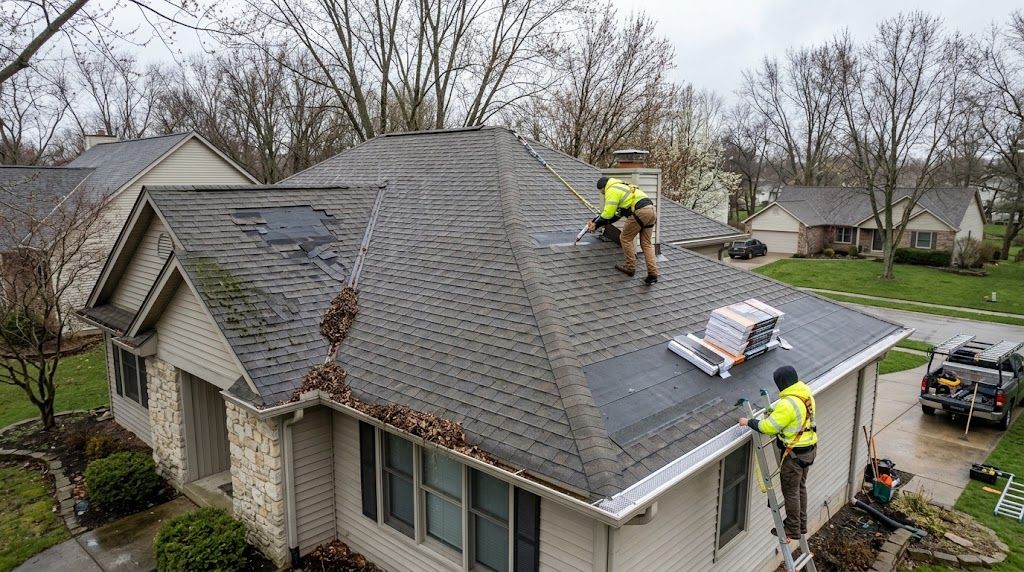
Roofing Projects
Roof replacement often requires a permit in St Joseph County, especially when structural components or sheathing are involved. Repairs may not require permits if they are minor, but this depends on the extent of the work.
A contractor can confirm whether your roofing project requires approval.
Additions and Major Renovations
Room additions, garage conversions, basement finishing, and whole home renovations almost always require permits. These projects affect square footage, structure, and safety systems, making permit oversight essential.
Projects That May Not Require a Permit
Some cosmetic or minor updates may not require permits, though rules can vary.
Examples of work that may not require permits include painting, flooring replacement without structural changes, cabinet replacement without plumbing or electrical modifications, and minor repairs.
Even so, it is always best to verify requirements before starting. Assuming a permit is not needed can lead to costly issues later.
Why Permits Are Important for Homeowners
Safety and Code Compliance
Permits ensure that work meets building and safety codes. Inspections help identify problems early, reducing the risk of electrical fires, water damage, or structural failure.
Protecting Property Value
Unpermitted work can reduce your home’s value and create issues during resale. Buyers and inspectors often request permit records, and missing permits can delay or derail a sale.
Avoiding Fines and Penalties
Starting work without required permits can result in fines, stop work orders, and mandatory removal of completed work. Fixing unpermitted work often costs more than doing it correctly from the beginning.
Insurance Considerations
Insurance companies may deny claims related to unpermitted work. Permits help protect homeowners financially if damage occurs.
How the Permit Process Works
While the process varies by project, most remodeling permits follow a similar path.
First, plans or project details are submitted to the appropriate authority. Next, the application is reviewed for code compliance. Once approved, work can begin.
During construction, inspections are scheduled at key stages. After final inspection, the project is approved and closed out.
A licensed contractor typically manages this process to ensure accuracy and compliance.
Who Is Responsible for Pulling Permits?
In most cases, the contractor is responsible for obtaining required permits. Licensed contractors understand local requirements and ensure permits are secured before work begins.
Homeowners acting as their own contractors may be allowed to pull permits themselves, but this also places responsibility for compliance and inspections on the homeowner.
Working with a professional contractor simplifies the process and reduces risk.
Common Misconceptions About Remodeling Permits
Many homeowners believe permits are optional or only required for large projects. Others assume permits increase costs without providing benefits.
In reality, permits protect homeowners, ensure quality workmanship, and prevent serious issues down the line. The cost of a permit is usually small compared to the cost of correcting unpermitted work.
What Happens If Work Is Done Without a Permit?
Unpermitted work can lead to several problems.
You may be required to stop work until permits are obtained. Inspections may require opening walls or removing finished work. Fines or penalties may apply. Selling your home may become more complicated or delayed.
These issues often outweigh the perceived savings of skipping permits.
How a Local Contractor Helps With Permits
A local contractor understands the specific requirements for Granger and St Joseph County. They know which projects require permits, how to submit applications, and how to schedule inspections efficiently.
This local knowledge helps avoid delays and ensures your remodel stays on schedule.
Frequently Asked Questions About Remodeling Permits
Do I need a permit for kitchen or bathroom remodeling?
Often yes, especially if electrical, plumbing, or structural changes are involved.
How long does it take to get a remodeling permit?
Timelines vary by project and workload but can range from a few days to several weeks.
Are permits expensive?
Permit fees vary but are usually a small portion of the overall remodeling budget.
Can unpermitted work be fixed later?
Sometimes, but it often requires inspections, corrections, and additional costs.
Get Help With Remodeling Permits in Granger, IN
Understanding permit requirements is an essential part of any successful remodeling project.
JC Construction & Remodeling helps homeowners in Granger, IN and surrounding areas handle permits correctly and confidently.
If you are planning a remodel and want to ensure everything is done right from the start, call
574 347 0777 or email
JCConstructionandRemodelingllc@gmail.com to schedule a consultation. We proudly serve homeowners within a thirty mile radius of Granger and are ready to guide you through every step of the process.
Recent Posts