Signs You Need Roof Repair After an Indiana Storm
Why Storm Damage Roof Inspections Matter in Indiana
Indiana storms can be unpredictable and intense. Heavy rain, strong winds, hail, and sudden temperature changes all place stress on residential roofing systems. Even when damage is not immediately visible, storms can weaken roofing materials and lead to leaks, rot, and costly interior repairs if left unaddressed.
Many homeowners assume that if they do not see missing shingles, their roof is fine. In reality, storm damage often shows up days or weeks later. Knowing the warning signs helps you act early and prevent minor issues from turning into major repairs.
At JC Construction & Remodeling, we regularly inspect roofs across Granger and surrounding communities after severe weather. This guide outlines the most common signs that indicate you may need roof repair after an Indiana storm.
1. Missing, Loose, or Lifted Shingles
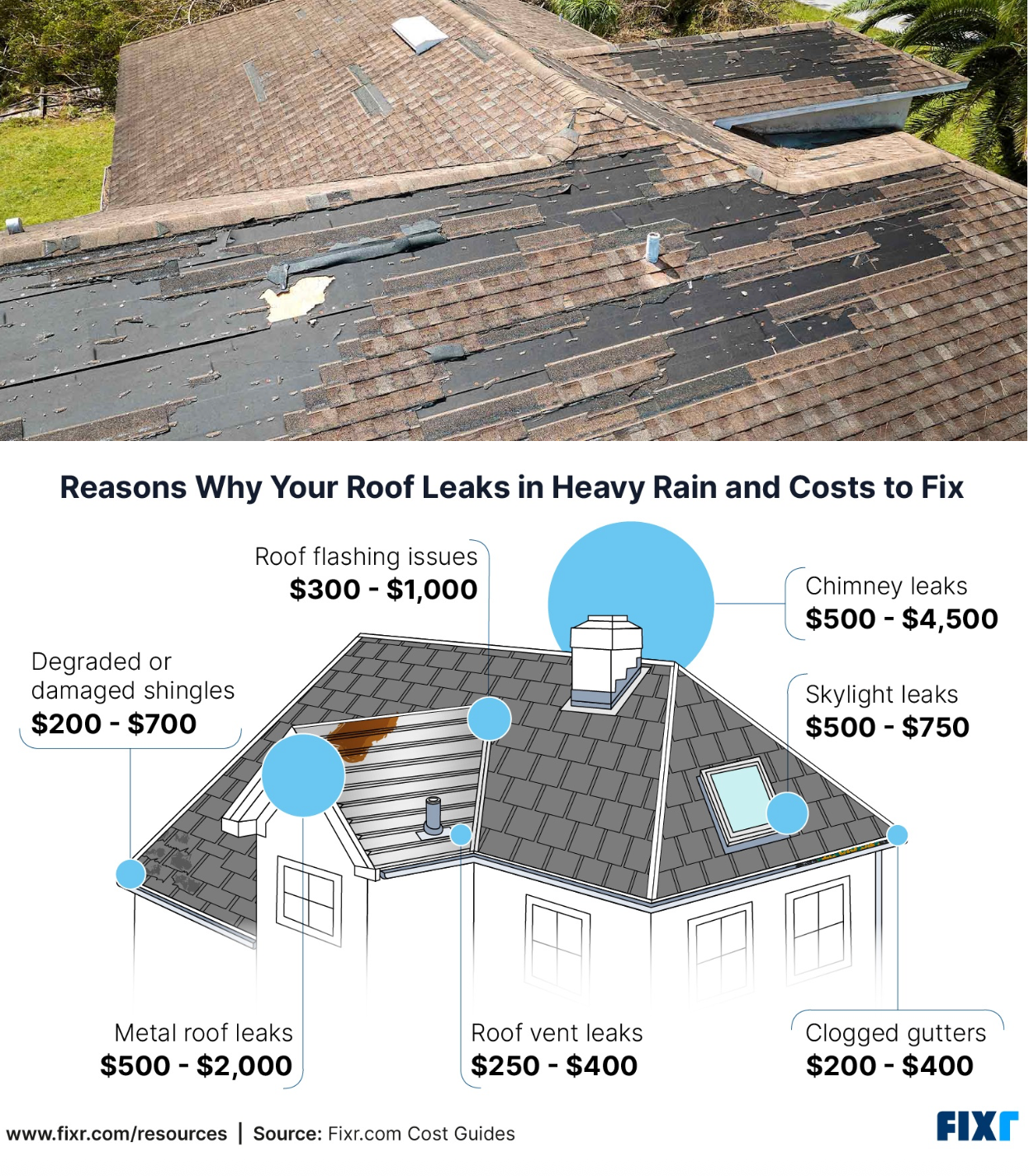
One of the most obvious signs of storm damage is missing or displaced shingles. High winds can lift shingles, break the adhesive seal, or tear them off completely.
Even shingles that appear slightly raised can allow water to seep underneath, leading to leaks and wood rot. After a storm, look for uneven roof lines, exposed underlayment, or shingles scattered in your yard.
If shingles are missing or loose, roof repair should be addressed quickly to prevent further damage.
2. Water Leaks or Ceiling Stains
Water stains on ceilings or walls are a clear sign that your roof has been compromised. These stains may appear as yellow, brown, or dark spots and often grow over time.
In some cases, leaks only show up during heavy rain. If you notice dripping, damp drywall, or peeling paint after a storm, your roof may have sustained damage that requires immediate attention.
Ignoring leaks can lead to mold growth, insulation damage, and costly interior repairs.
3. Granules in Gutters or Downspouts
Asphalt shingles are coated with granules that protect them from sun exposure and weather. After hail or heavy rain, it is common to find granules washed into gutters and downspouts.
While some granule loss is normal over time, excessive buildup after a storm indicates shingle deterioration. This loss reduces the roof’s ability to protect your home and often signals the need for repair or replacement.
Checking gutters after a storm can reveal early signs of roofing issues.
4. Hail Damage to Shingles
Hailstorms are particularly damaging to roofs in Northern Indiana. Hail can bruise shingles, crack protective layers, and shorten the roof’s lifespan even if no leaks are immediately visible.
Hail damage often appears as:
Dark spots or dents on shingles
Soft areas when pressed
Cracked or broken shingle surfaces
Because hail damage is not always obvious from the ground, a professional inspection is recommended after any significant hailstorm.
5. Damaged or Loose Flashing
Flashing is installed around chimneys, vents, skylights, and roof valleys to prevent water intrusion. Storms can loosen or bend flashing, creating gaps where water can enter.
Damaged flashing is a common cause of roof leaks and is often overlooked by homeowners. Inspect areas around roof penetrations for signs of separation, rust, or lifting.
Repairing flashing promptly helps maintain the roof’s waterproof seal.
6. Sagging or Uneven Roof Sections
A sagging roofline is a serious warning sign that should never be ignored. Storm related water intrusion can weaken decking and structural components over time.
If you notice dips or uneven areas along your roofline, this may indicate underlying damage that requires immediate professional evaluation. Delaying repairs can lead to structural issues and increased repair costs.
7. Interior Drafts or Temperature Changes
After a storm, some homeowners notice increased drafts or uneven indoor temperatures. This can happen when roofing materials or insulation are damaged, allowing air to escape or enter the home.
Roof damage can compromise energy efficiency, leading to higher heating and cooling bills. Addressing repairs early helps maintain indoor comfort and efficiency.
8. Mold or Musty Odors in the Attic
Storm related leaks often begin in the attic before becoming visible inside the home. Moisture buildup can lead to mold growth, which may produce a musty odor.
If your attic smells damp or shows signs of moisture after a storm, your roof may need repair. Mold issues should be addressed quickly to protect indoor air quality and prevent further damage.
How Indiana Weather Contributes to Roof Damage
Indiana’s climate presents unique challenges for roofing systems. Common weather related factors include:
Strong winds that lift or tear shingles
Heavy rain that exploits small vulnerabilities
Hail that weakens shingle surfaces
Freeze thaw cycles that expand cracks and gaps
These conditions make regular inspections and timely repairs essential for homeowners in Granger and nearby areas.
Why Prompt Roof Repair Matters
Delaying roof repair after a storm often leads to more extensive damage. Small issues can quickly escalate into:
Interior water damage
Mold growth
Rotting roof decking
Higher repair or replacement costs
Addressing storm damage early helps protect your home and extend the life of your roof.
When to Call a Professional Roofing Contractor
If you notice any of the signs listed above, contacting a professional contractor is the safest next step. A trained roofer can assess damage accurately and recommend the appropriate solution.
A professional roof inspection typically includes:
Evaluating shingle condition
Checking flashing and seals
Inspecting attic spaces for moisture
Identifying hidden damage
This thorough approach ensures no issues are missed.
Frequently Asked Questions About Storm Related Roof Repair
How soon should I inspect my roof after a storm?
It is best to inspect your roof as soon as it is safe to do so. A professional inspection is recommended after severe storms involving wind or hail.
Can storm damage be repaired instead of replaced?
Yes. Many storm related issues can be repaired if caught early and if the roof is otherwise in good condition.
Will insurance cover storm damage roof repair?
Coverage depends on your policy and the type of damage. A contractor inspection can help document damage for insurance purposes.
How long can I wait to repair storm damage?
Waiting increases the risk of leaks and further damage. Prompt repairs are always recommended after storm events.
Schedule Roof Repair in Granger, IN After a Storm
If your home has experienced a recent storm, do not wait for small issues to turn into major problems. JC Construction & Remodeling provides reliable roof inspections and repair services for homeowners in Granger, IN and surrounding communities.
Call 574 347 0777 or email JCConstructionandRemodelingllc@gmail.com to schedule a roof inspection. We proudly serve homeowners within a thirty mile radius of Granger and are ready to help protect your home after the next storm.
Recent Posts