Common Roofing Problems in Indiana and How to Prevent Them
Indiana Roofing Problems: Causes and Prevention Tips
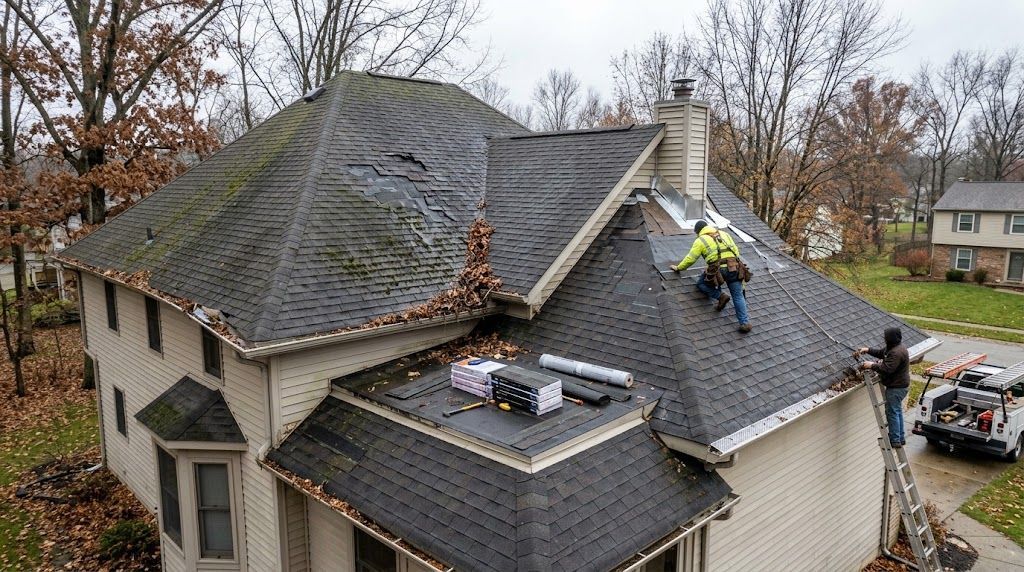
Your roof is one of the most important components of your home. It protects your family, belongings, and the structure itself from rain, snow, wind, hail, and extreme temperatures throughout the year. In Indiana, where the weather changes dramatically from season to season, roofing systems are subjected to constant stress. Over time, even a well-built roof will experience wear and tear that requires maintenance or repairs.
Many roofing problems begin as small issues that are difficult to notice from the ground. A missing shingle, loose flashing, or clogged gutter may not seem serious at first, but these seemingly minor problems can quickly lead to water intrusion, mold growth, structural damage, and expensive repairs if they are ignored.
Routine inspections and preventative maintenance are the best ways to extend the life of your roof and avoid unexpected expenses. Understanding the most common roofing problems can help homeowners recognize warning signs early and know when it is time to contact a professional.
At JC Construction & Remodeling, we provide roofing services for homeowners throughout Granger, Mishawaka, South Bend, Elkhart, Niles, and surrounding communities. This guide explains the roofing issues most commonly seen in Northern Indiana, why they occur, and what homeowners can do to protect their investment.
Why Indiana Weather Is Hard on Roofs
Indiana experiences a wide variety of weather conditions throughout the year, and each season presents different challenges for residential roofs.
Winter brings snow accumulation, freezing temperatures, and ice formation. Spring often produces heavy rain, thunderstorms, and high winds. Summer introduces heat, humidity, and strong ultraviolet sunlight. Autumn adds falling leaves that can clog gutters and drainage systems.
This constant cycle of changing weather causes roofing materials to expand and contract repeatedly, gradually weakening shingles, flashing, sealants, and other roofing components.
Because of these seasonal conditions, homeowners in Northern Indiana should schedule regular roof inspections and address small issues before they become major repairs.
Missing or Damaged Shingles
One of the most common roofing problems is missing or damaged shingles.
Strong winds, hailstorms, aging materials, and improper installation can all cause shingles to loosen, crack, curl, or detach from the roof.
Missing shingles expose the roofing underlayment to moisture and sunlight, increasing the risk of leaks and structural deterioration.
Signs of damaged shingles include:
- Shingles lying in the yard
- Bare spots on the roof
- Curled edges
- Cracked surfaces
- Discoloration
- Uneven roof appearance
Replacing damaged shingles promptly helps prevent more extensive water damage.
Roof Leaks
Roof leaks are among the most frustrating problems homeowners experience.
Leaks often begin as small openings around flashing, damaged shingles, roof penetrations, or deteriorated sealants. Water may travel several feet before becoming visible inside the home, making the source difficult to locate.
Common signs of roof leaks include:
- Water stains on ceilings
- Stained walls
- Peeling paint
- Wet insulation
- Musty odors
- Dripping water during storms
Even a minor leak should be addressed quickly because moisture can damage framing, insulation, drywall, flooring, and personal belongings.
Flashing Failure
Flashing is installed around chimneys, skylights, plumbing vents, and roof valleys to keep water from entering vulnerable areas.
Over time, flashing can loosen, rust, crack, or separate from surrounding materials.
When flashing fails, water can enter areas that are otherwise protected by shingles.
Professional inspections often identify flashing problems before homeowners notice interior leaks.
Replacing damaged flashing is generally much less expensive than repairing water damage inside the home.
Storm Damage
Northern Indiana experiences frequent thunderstorms, strong winds, and occasional hailstorms.
Storm damage may include:
- Missing shingles
- Lifted shingles
- Cracked shingles
- Hail impact damage
- Broken flashing
- Fallen tree limbs
- Punctured roofing materials
After severe weather, homeowners should visually inspect their property from the ground and schedule a professional roof inspection if damage is suspected.
Prompt repairs help prevent further deterioration and may also simplify insurance claims if storm damage is covered.
Ice Dams
Ice dams are a common winter roofing problem in Indiana.
They form when heat escaping from the attic melts snow on the roof. As the water flows toward colder roof edges, it refreezes and forms a ridge of ice.
Additional melting snow becomes trapped behind the ice dam, allowing water to back up beneath shingles.
Ice dams can cause:
- Roof leaks
- Damaged insulation
- Ceiling stains
- Wood rot
- Mold growth
Proper attic insulation and ventilation are among the most effective ways to reduce the risk of ice dams.
Poor Roof Ventilation
Roof ventilation is essential for maintaining healthy attic temperatures and moisture levels.
Inadequate ventilation can lead to:
- Excessive attic heat
- Moisture buildup
- Premature shingle deterioration
- Higher energy bills
- Ice dam formation
- Mold growth
Proper ventilation allows air to circulate naturally, helping roofing materials perform more efficiently throughout the year.
Clogged Gutters
Although gutters are not technically part of the roof covering, they play a vital role in protecting the roofing system.
Leaves, twigs, and debris can block gutters and downspouts, preventing rainwater from draining properly.
Overflowing gutters may cause:
- Roof edge damage
- Fascia deterioration
- Foundation issues
- Landscape erosion
- Basement moisture
Cleaning gutters regularly is one of the simplest and most effective ways to protect both your roof and your home's foundation.
Granule Loss
Asphalt shingles are coated with protective mineral granules that shield them from sunlight and weather.
Over time, these granules naturally wear away.
Excessive granule loss may indicate:
- Aging shingles
- Storm damage
- Manufacturing defects
- Advanced roof deterioration
Homeowners may notice granules collecting inside gutters or at the base of downspouts.
When granule loss becomes significant, the roof becomes more vulnerable to ultraviolet damage and moisture.
Tree Damage
Trees add beauty and shade to residential properties, but branches that extend over the roof can create several problems.
Overhanging branches may:
- Scratch shingles
- Drop heavy limbs during storms
- Deposit leaves into gutters
- Allow animals easier roof access
Keeping trees properly trimmed helps reduce the likelihood of roof damage while maintaining healthy landscaping.
Improper Roof Installation
Even high-quality roofing materials can fail prematurely if they are installed incorrectly.
Installation problems may include:
- Improper nailing
- Poor flashing installation
- Inadequate ventilation
- Incorrect shingle alignment
- Insufficient underlayment
These issues often remain hidden until leaks develop.
Choosing an experienced contractor helps ensure roofing systems are installed according to manufacturer specifications and local building codes.
Aging Roofing Materials
Every roofing material has an expected lifespan.
Asphalt shingles generally last between fifteen and thirty years depending on quality, maintenance, and weather exposure.
As roofs age, homeowners may notice:
- Frequent repairs
- Curling shingles
- Discoloration
- Reduced energy efficiency
- Multiple leaks
- Widespread granule loss
When repair costs become increasingly frequent, replacement may provide better long-term value.
How Regular Roof Inspections Help Prevent Major Repairs
Routine inspections allow small problems to be identified before they become expensive repairs.
Professional roof inspections typically evaluate:
- Shingle condition
- Flashing
- Roof penetrations
- Ventilation
- Gutters
- Attic moisture
- Structural concerns
Many homeowners schedule inspections after severe storms and at least once each year as part of regular home maintenance.
Seasonal Roof Maintenance Tips
Keeping your roof in good condition requires ongoing maintenance throughout the year.
Spring
- Inspect for winter damage.
- Clean gutters.
- Check flashing.
- Look for missing shingles.
Summer
- Inspect for heat-related wear.
- Trim nearby tree branches.
- Monitor attic ventilation.
Fall
- Remove leaves from gutters.
- Inspect roof before winter.
- Seal minor issues.
Winter
- Watch for ice dams.
- Inspect attic for moisture.
- Remove excessive snow if necessary using safe methods.
Seasonal maintenance significantly extends roof life and reduces repair costs.
When Should You Repair or Replace Your Roof?
Many homeowners struggle with deciding whether to repair their existing roof or replace it entirely.
Repairs may be appropriate when:
- Damage is localized.
- The roof is relatively new.
- Leaks are isolated.
Most roofing materials remain in good condition.
Replacement is often the better option when:
- The roof is approaching the end of its lifespan.
- Repairs are becoming frequent.
- Storm damage is widespread.
- Structural deterioration is present.
A professional inspection provides the best guidance for making this decision.
Frequently Asked Questions
How often should I have my roof inspected?
Most homeowners should schedule a professional roof inspection once each year and after any significant storm.
Can a small roof leak become a major problem?
Yes. Even minor leaks can cause structural damage, mold growth, insulation damage, and interior repairs if left untreated.
What is the most common cause of roof damage in Indiana?
Storms, aging materials, wind, hail, and seasonal weather changes are among the most common causes of roofing problems.
How can I extend the life of my roof?
Regular inspections, prompt repairs, proper ventilation, gutter cleaning, and tree maintenance all help maximize roof lifespan.
Protect Your Home With Professional Roofing Services in Granger, IN
Your roof protects everything beneath it, making regular maintenance one of the smartest investments you can make as a homeowner. Understanding common roofing problems allows you to identify warning signs early, prevent costly repairs, and extend the life of your roofing system.
Whether you have noticed missing shingles, suspect storm damage, or simply want the peace of mind that comes with a professional inspection, working with an experienced local contractor can help protect your home for years to come.
JC Construction & Remodeling proudly provides roof inspections, roof repairs, roof replacements, and general construction services throughout Granger, Mishawaka, South Bend, Elkhart, Niles, and surrounding communities within approximately thirty miles. Our team is committed to delivering dependable workmanship, honest recommendations, and reliable service for every roofing project.
If you would like to schedule a roof inspection or discuss your roofing concerns, contact JC Construction & Remodeling at
574 347 0777 or email
JCConstructionandRemodelingllc@gmail.com.
Recent Posts